






Petite Maman, 2025.
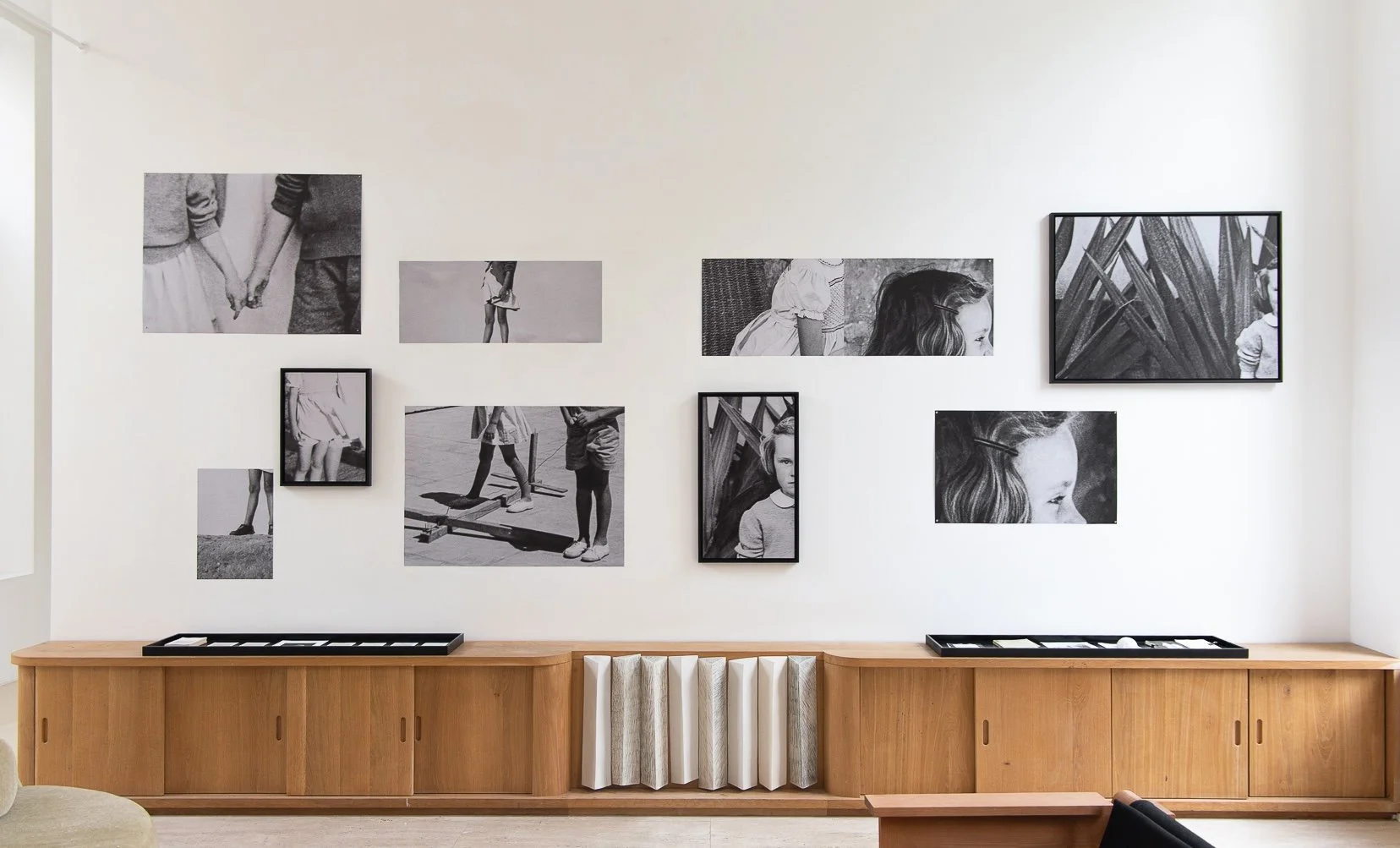
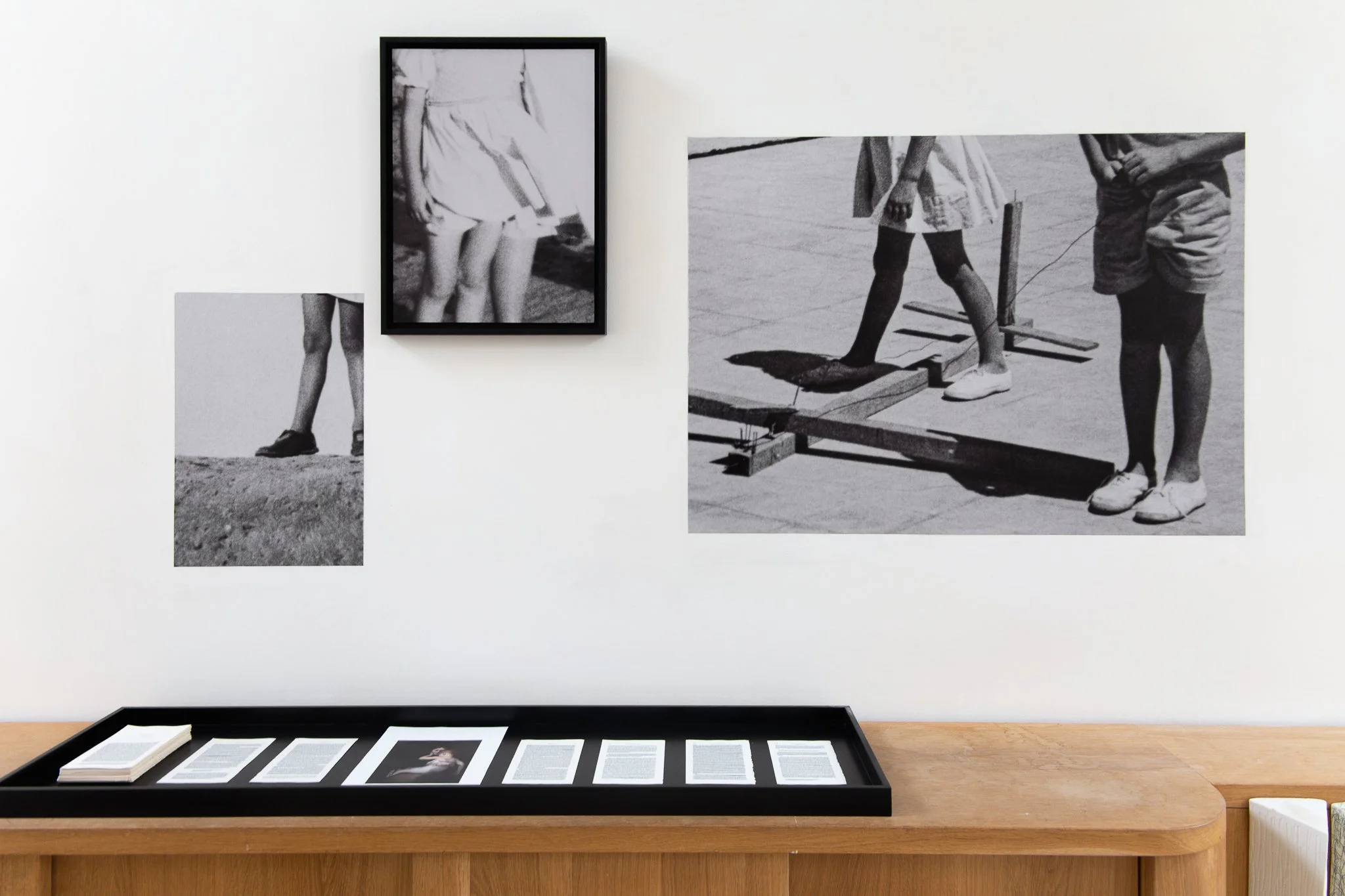
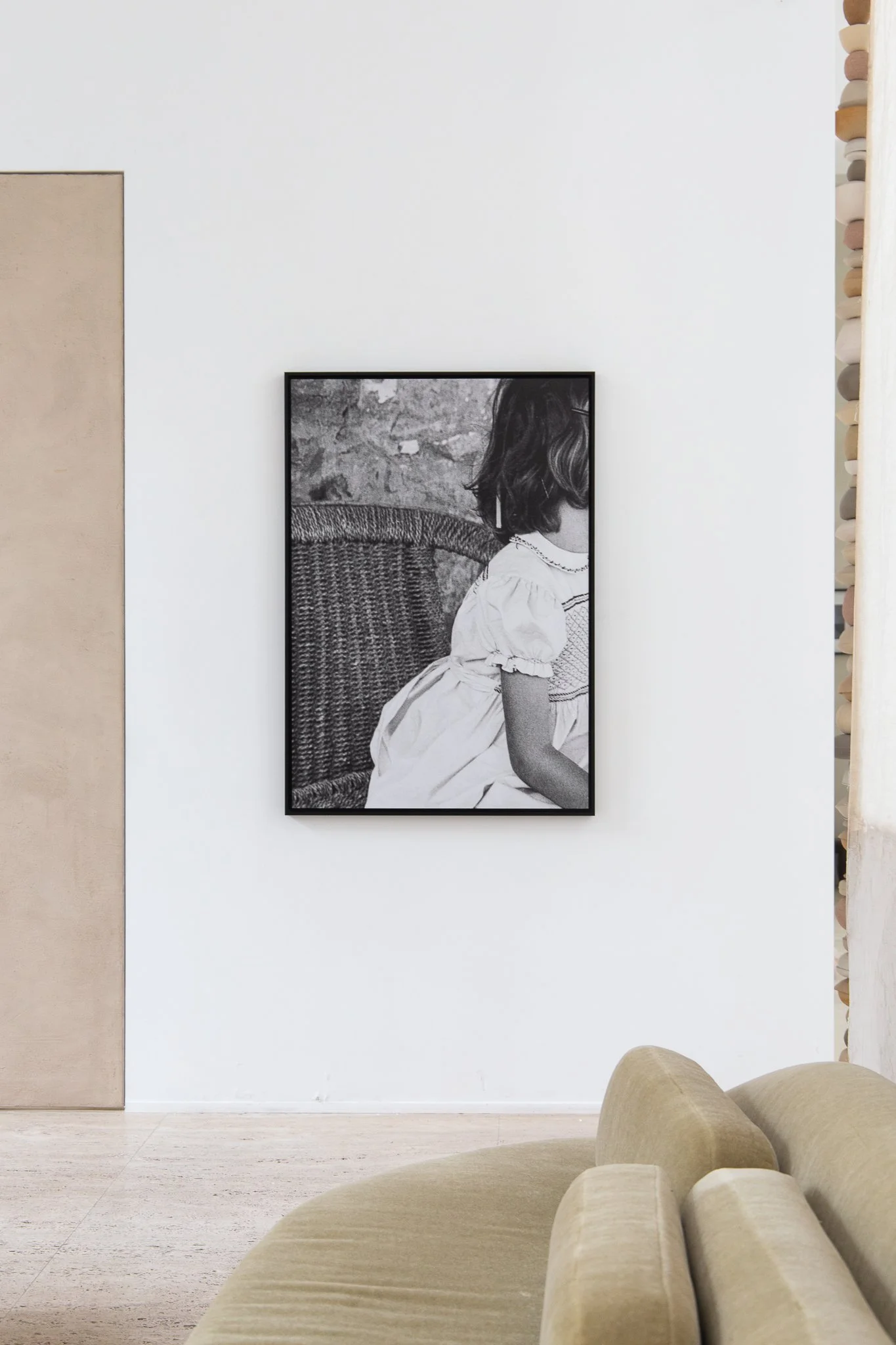
Petite Maman begins with photographs of my mother as a little girl, taken by my grandmother in 1949, which I returned to decades later.
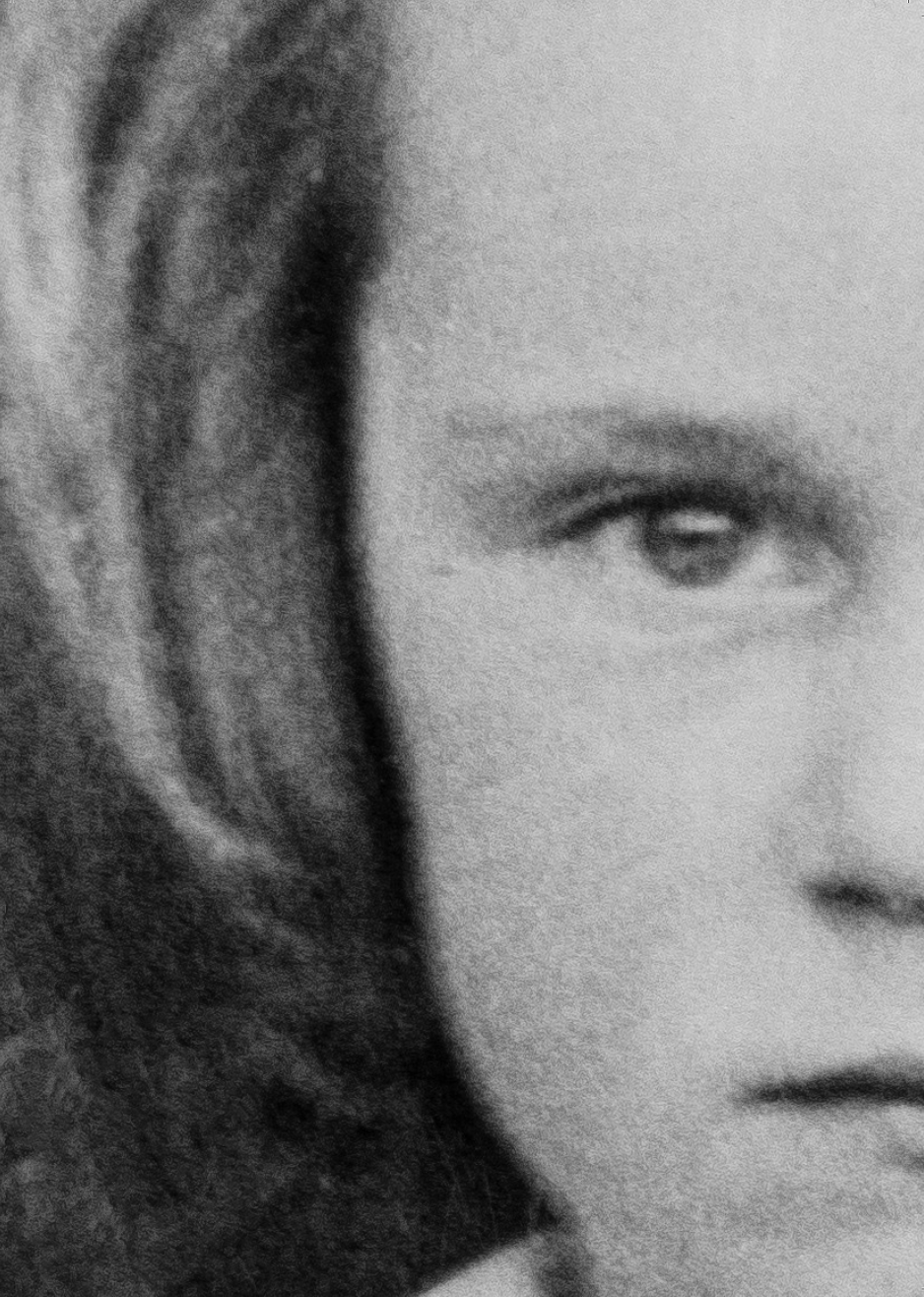
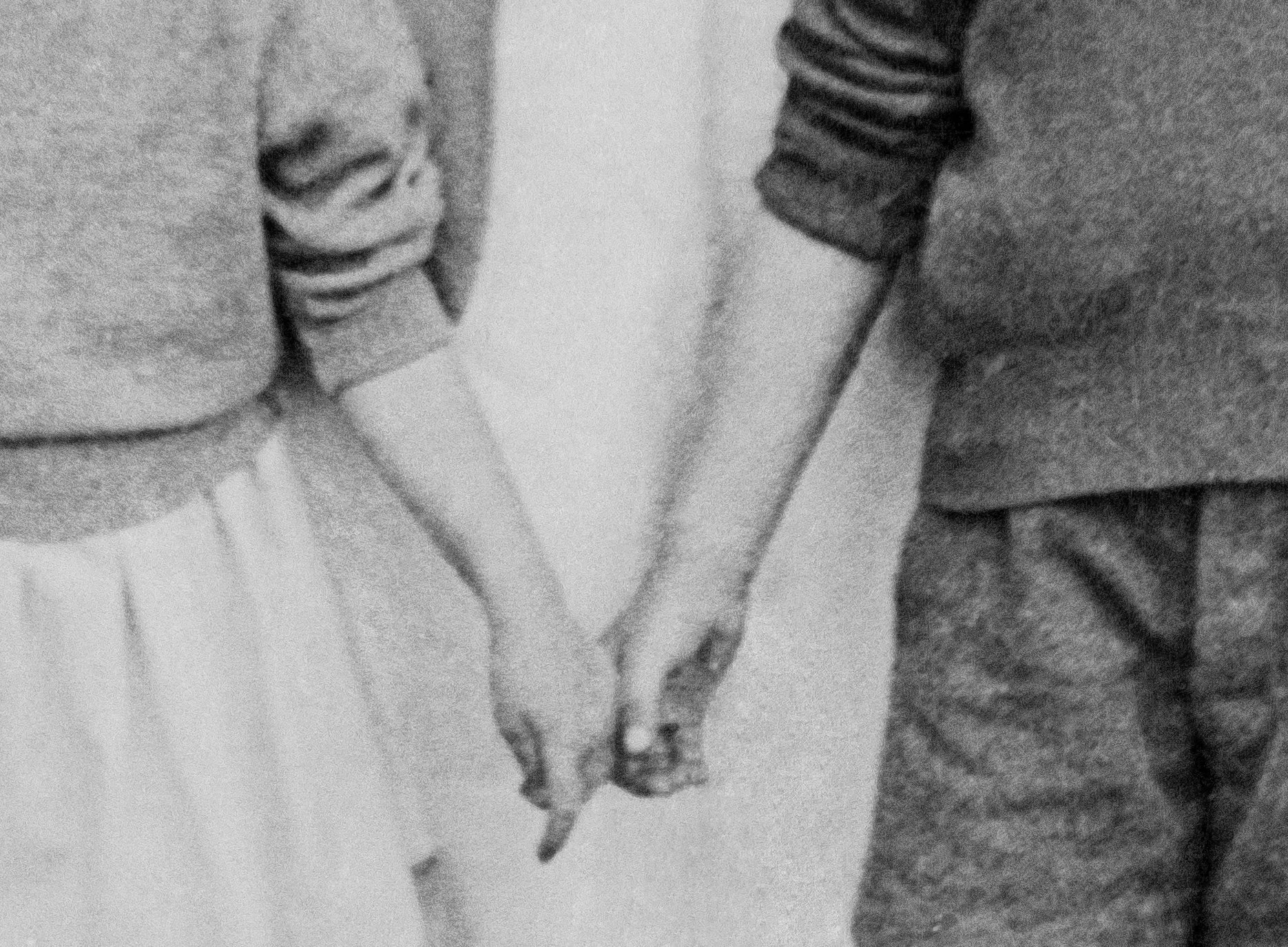
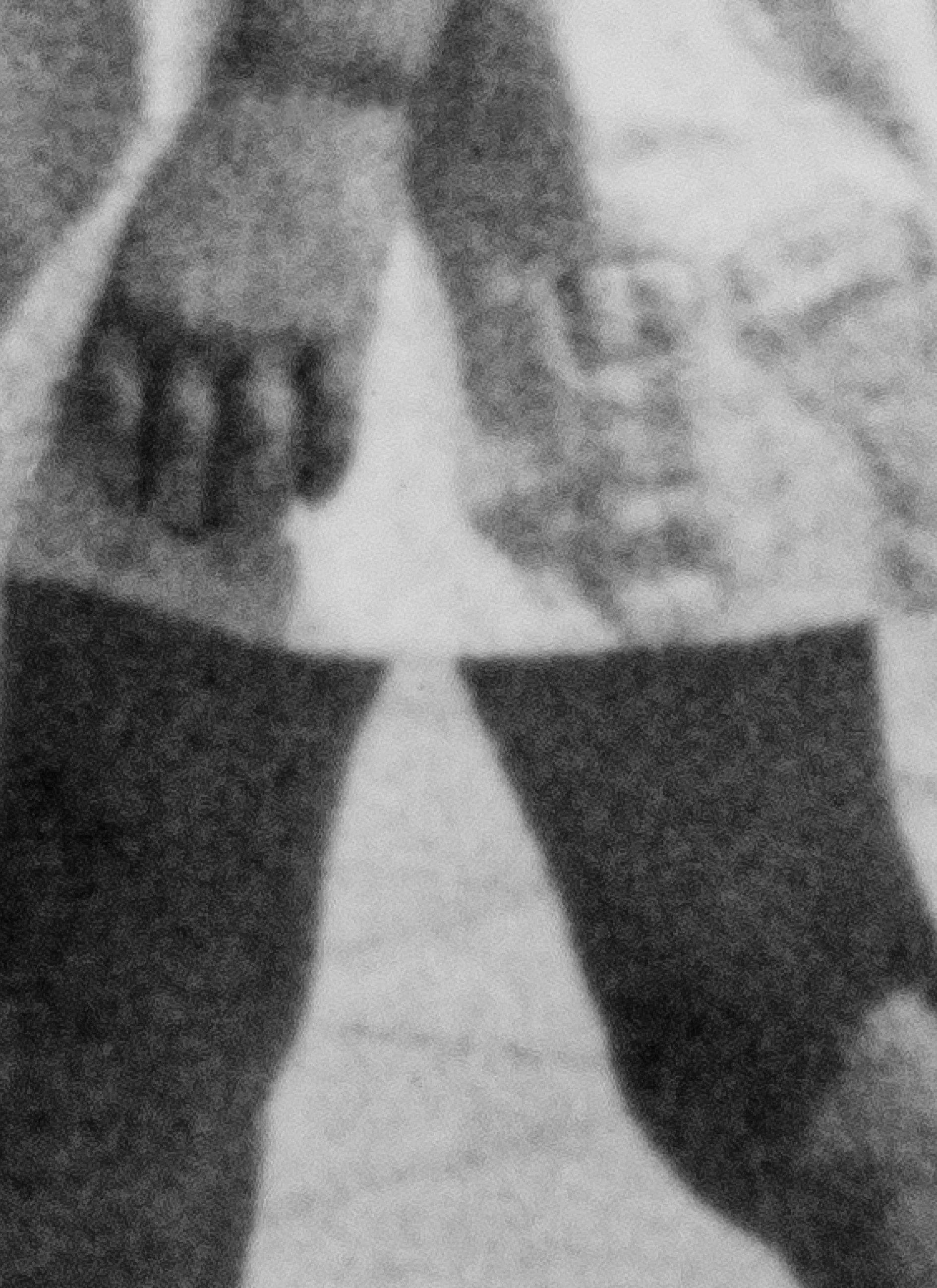
I began photographing details that drew me in: a face, a gesture, sometimes only a few millimeters of the original print, enlarging them, repeating them, then enlarging them again. I wanted to get closer to her, as if looking more closely could somehow reduce the distance between us.
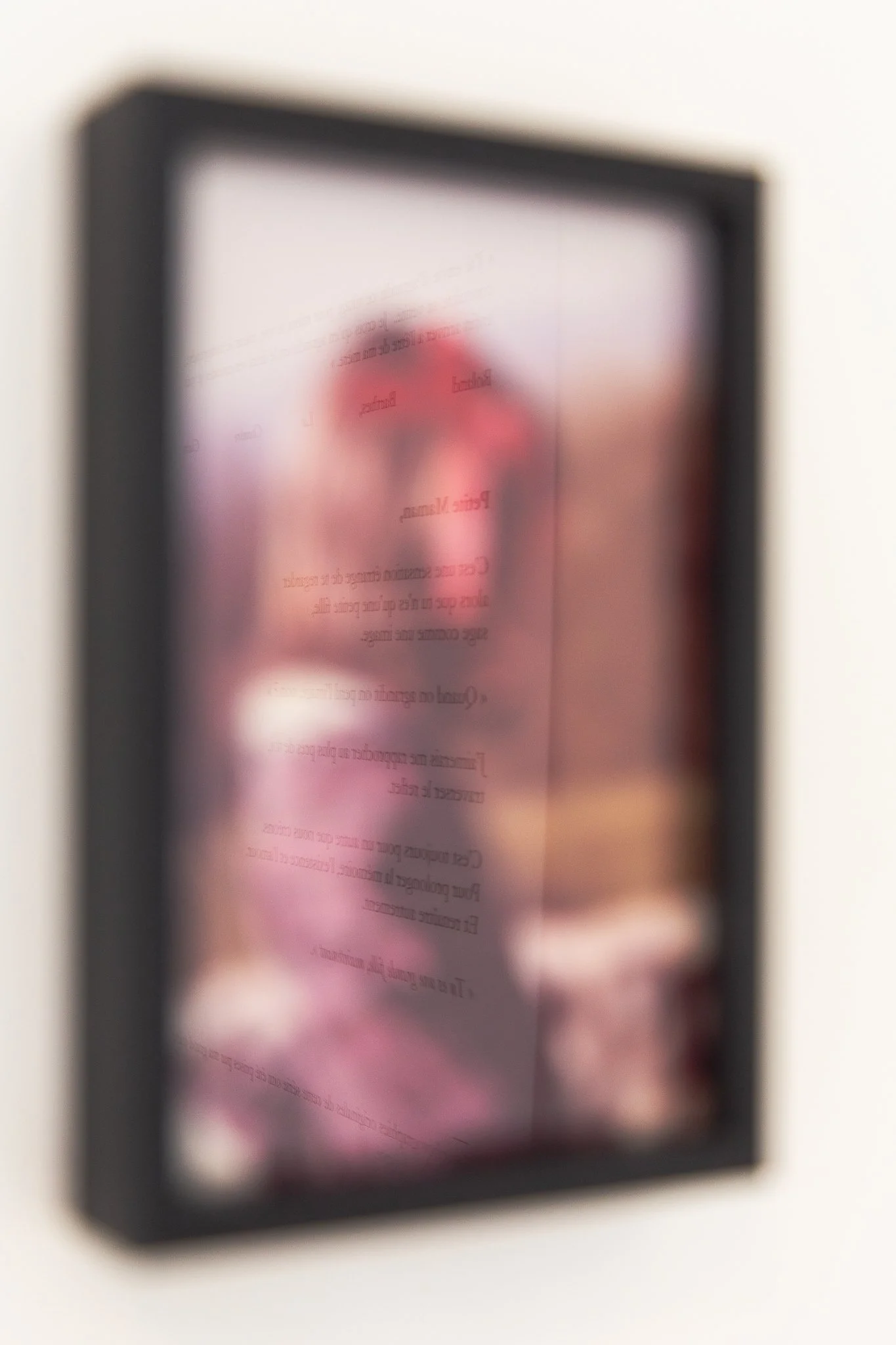
But when you enlarge an image, you lose it. The closer I came, the more the surface began to break apart. Details became more visible while the whole became harder to grasp. And yet, in losing the image as a whole, she somehow felt closer.
In Camera Lucida, Roland Barthes finds his mother only in a photograph of her as a child, one he chooses not to show. Petite Maman is built around a paradox. The more incomplete the image becomes, the more it opens a space of closeness. To reach her, the image had to give way.